Incorrect Deductions on MP Treasury Payslip What to Do Guide
Incorrect deductions on MP Treasury payslip can create serious financial confusion for government employees. These errors may include excess tax cuts, missing allowances, or unexplained recoveries that directly affect your monthly salary. Understanding why these deductions occur and knowing the correct procedure to resolve them is essential for protecting your income and ensuring payroll accuracy.
This guide explains the common reasons behind incorrect MP Treasury payslip deductions and provides clear, step-by-step actions to help you identify, report, and correct the issue efficiently.
Step-by-Step Guide to Fix Incorrect MP Treasury Payslip Deductions
Step-by-Step Guide to Fix Incorrect MP Treasury Payslip Deductions are as follows:
Step 1: Check carefully what’s wrong
First, go line-by-line through your payslip to identify any Incorrect Deductions on MP Treasury Payslip. Note down exactly what seems incorrect — whether it’s the deduction amount, the type of deduction, or a missing benefit or allowance.
Compare with earlier payslips or your employment agreement so you know what the deduction should (or should not) be. This helps you clearly understand the error before you raise it.
Step 2: Contact the right person — calmly and politely
In most cases, the first person to contact is your payroll department, HR, or your Drawing & Disbursing Officer (DDO) — whoever manages payslips.
Send a written request or email (even if informal) where you:
Staying polite — not aggressive — gives you a better chance of seeing prompt action. A complaint letter that’s simple, respectful and clear often works best.
Step 3: If informal request doesn’t work — write a formal letter or complaint
Sometimes errors aren’t fixed with just a friendly email. In that case:
Step 4: Know your rights under law (if employer/treasury delays or refuses)
In many cases, wages — and deductions — are regulated. Unauthorized deductions from wages without valid reason may not be allowed.
If your employer or treasury wrongly deducts money and refuses to correct it — even after you raise it — you may have the right to file a formal claim. The law allows affected employees to seek recovery of wrong deductions or delayed pay.
Keep in mind there may be a time limit to file such a claim — so don’t wait too long.
Step 5: Keep strong records — for your own security
Whatever you do, always save:
Having these documents helps you prove your claim if things escalate.
Quick Tips — Stay calm & clear
Understanding Common Deductions on Your Payslip
It’s helpful to know the common deductions you might see on your payslip so you can better identify errors. These can include:
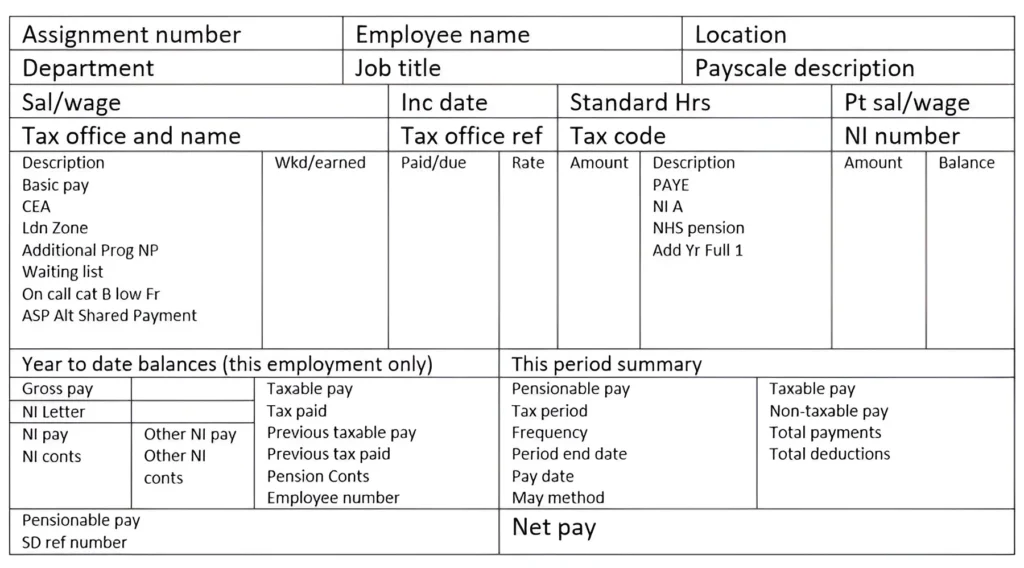
Understanding these deductions makes it easier to spot errors quickly. If you’re unsure about any of them, always ask HR or payroll for clarification.
Regularly Review Your Payslip
It’s a good practice to review your payslip regularly, even if everything seems fine. Doing so ensures that small errors don’t go unnoticed for long periods. If you catch a mistake early, it’s easier to fix before it becomes a bigger issue. Set a reminder to check your payslip every pay period to avoid surprises.
Stay Informed About Policy Changes
Occasionally, policies related to deductions might change. For example, there could be changes in tax rates, pension plans, or new benefits that impact your deductions. Staying informed about these changes will help you understand why a deduction might appear or change on your payslip. Check in with your HR department or your employer’s internal communication channels for updates on these policies.
FAQs
Final Thoughts
Incorrect deductions on your payslip can be stressful, but with a little effort and the right steps, you can get things sorted out. Remember to stay calm and clear when communicating with HR or payroll. Keep a record of everything and don’t hesitate to escalate if necessary.
Following these steps will ensure that your issue is addressed in a timely and efficient manner.