MP Treasury Leave Salary Calculation (EL, CL, ML) Explained
MP Treasury Leave Salary Calculation can be tricky, but it’s essential for government employees in Madhya Pradesh. Whether it’s Earned Leave (EL), Casual Leave (CL), or Medical Leave (ML), each type of leave has its own set of rules for salary payments and encashment.
This guide will break down the simple steps to calculate your leave salary, explain how each leave type is treated, and highlight common mistakes to avoid. By the end of this article, you’ll have a clear understanding of your leave benefits and how to make sure you’re getting the right amount every time.
What Is Leave Salary?
MP Treasury Leave Salary Calculation refers to the pay you get from the treasury when you take approved leave. In MP government service, leave salary applies to certain types of leave like:
Not all leave types are paid the same, and some don’t get salary at all. Knowing the difference matters when calculating what you will receive.
Types of Leave and How They Count
Here’s a quick breakdown of common leaves:
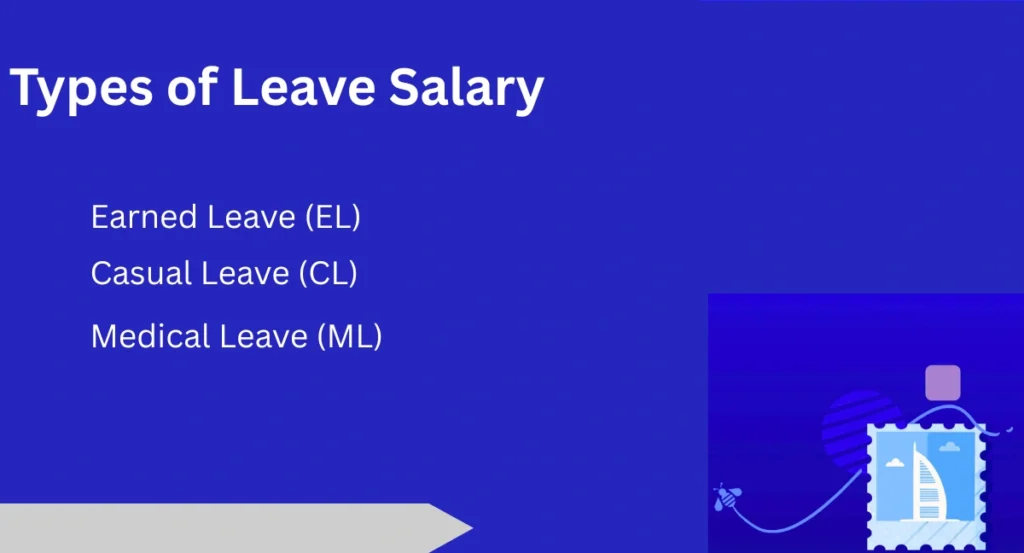
Earned Leave (EL):
This is leave you earn during service usually more than 30 days per year depending on rules. EL can generally be carried forward and encashed when you retire or resign.
Casual Leave (CL):
Short breaks for urgent personal reasons. In many government systems, CL is paid only when actually taken — not usually encashable.
Medical Leave (ML):
Leave taken when you’re sick or hospitalized. It’s paid if supported by a medical certificate. ML rules can be strict — always check before applying.
How Leave Salary Is Calculated — Real Formulad
The basic idea is:
Daily Salary × Number of Leave Days = Leave Salary Amount
So first we find Daily Salary, which is usually:
Daily Salary = (Basic Salary + Dearness Allowance) ÷ 30
Why divide by 30?
Most government and HR standards use 30 days as a standard month for leave salary and encashment.
Example Earned Leave Salary
Let’s say:
Step 1 — Calculate daily pay:
30,000 ÷ 30 = ₹1,000 per day
Step 2 — Multiply by EL:
1,000 × 100 = ₹100,000
So your earned leave salary = ₹100,000.
Can Casual Leave (CL) or Medical Leave (ML) Be Paid?
- CL is generally paid only if you actually use it.
- It’s not usually encashed or added to leave salary when you retire.
- So CL doesn’t normally count toward salary unless used.
- ML is paid when you have proof (doctor’s certificate).
- It’s treated like regular paid leave for those days.
- But ML doesn’t get encashed the same way EL does unless specific rules allow it.
Always confirm with your HR or treasury office how CL and ML are processed for salary.
Leave Encashment (At Retirement or Resignation)
When you finish service or retire, you might be entitled to leave encashment — payment for unused EL. The formula is the same:
(Basic + DA) ÷ 30 × Unused EL Days
Important things to know:
So if you retire with 250 unused EL:
Daily pay = (Basic + DA) ÷ 30
Encashment = Daily pay × 250
Tax on Leave Salary and Encashment
Whether you pay tax on leave salary depends on timing and your status:
Government Employees
Leave salary received at retirement or resignation is often fully tax exempt under Indian income tax rules.
Private Sector
Part of leave encashment may be exempt; beyond limits, tax applies.
Always check current tax rules and exemptions when planning.
Common Mistakes People Make (Avoid These)
Here’s what most people get wrong:
Only basic + DA count for daily leave salary. Other perks like HRA or bonuses aren’t included.
Casual leave is usually not counted for encashment — only EL is typically encashed in government service.
In many places some people divide salary by 26 (workdays). But official leave salary rules use 30 days — especially for encashment and government pay.
If you have half pay leave balance, you must convert it at the proper rate before calculating value. Many people skip this step.
Medical leave pay and encashment rules vary by department. Always confirm before assuming it counts.
Tips to Get It Right
Track your leave balance regularly.
Don’t wait until retirement — track EL, CL, ML every year.
Ask treasury/HR for your leave ledger.
This gives an official record of what’s on file.
Check rules when applying for leave.
Some leave types need documents (like ML). Mistakes delay pay.
Plan leave and encashment tax wisely.
Encash when tax benefits are best — often at retirement.
Keep records of salary components.
Always keep pay slips showing Basic + DA — this ensures accurate calculations.
Leave Salary Self-Audit Box: Check These 5 Things First
Before accepting the final leave salary amount, verify these points:
| Check Point | Why It Matters |
|---|---|
| Basic Pay + DA | These are the main salary components used for calculation |
| Leave Type | EL, CL, and ML are not treated the same |
| Approved Leave Days | Salary is paid only for officially approved leave |
| Leave Ledger Balance | Wrong balance can reduce your claim |
| Treasury Entry | IFMS/tresury record should match HR records |
This quick self-audit helps employees catch errors before payment is processed.
Documents Needed Before Leave Salary Processing
Keep these documents ready to avoid delay in treasury approval:
Having these records ready makes the calculation easier for HR, DDO, and treasury staff.
What to Do If Leave Salary Is Less Than Expected
Follow this simple correction path:
This helps avoid confusion and gives your department clear evidence to recheck the amount.
IFMS Leave Salary Tracking: Simple User Checklist
Employees should regularly check IFMS or department records for these details:
| IFMS/Record Item | What to Confirm |
|---|---|
| Leave Balance | EL, CL, and ML entries are updated |
| Leave Approval Status | Leave is approved, not pending |
| Salary Month | Payment is adjusted in the correct month |
| Deduction Entry | No wrong unpaid leave deduction is added |
| Encashment Entry | EL encashment days are correctly shown |
A small monthly check can prevent major salary and encashment problems later.
FAQs
Final Thoughts
Leave salary and encashment don’t have to be confusing if you understand the key formulas and what counts. The main takeaways are to always use your Basic + DA, divide by 30 to calculate your daily value, and remember that Earned Leave (EL) is the main leave that gets encashed. Casual Leave (CL) and Medical Leave (ML) are typically not encashed or may have special conditions.
It’s important to track your leave every year to avoid any surprises when retirement comes around. By following the right steps and avoiding common mistakes, you’ll have a clear understanding of how your leave salary should be calculated, ensuring you get the right amount every time.